Advanced Life Cycle Dynamics for the Built Environment
Dec 26, 2025This training article is designed for Architects, Construction Managers, and Project Leads. It provides a comprehensive breakdown of the three fundamental life cycles required to deliver successful built assets: the Product Life Cycle, the Project Life Cycle, and the Project Management Life Cycle.
While these terms sound similar, confusing them can lead to strategic failures in governance and long-term asset viability.
1. The Product Life Cycle:
From Inception to Obsolescence
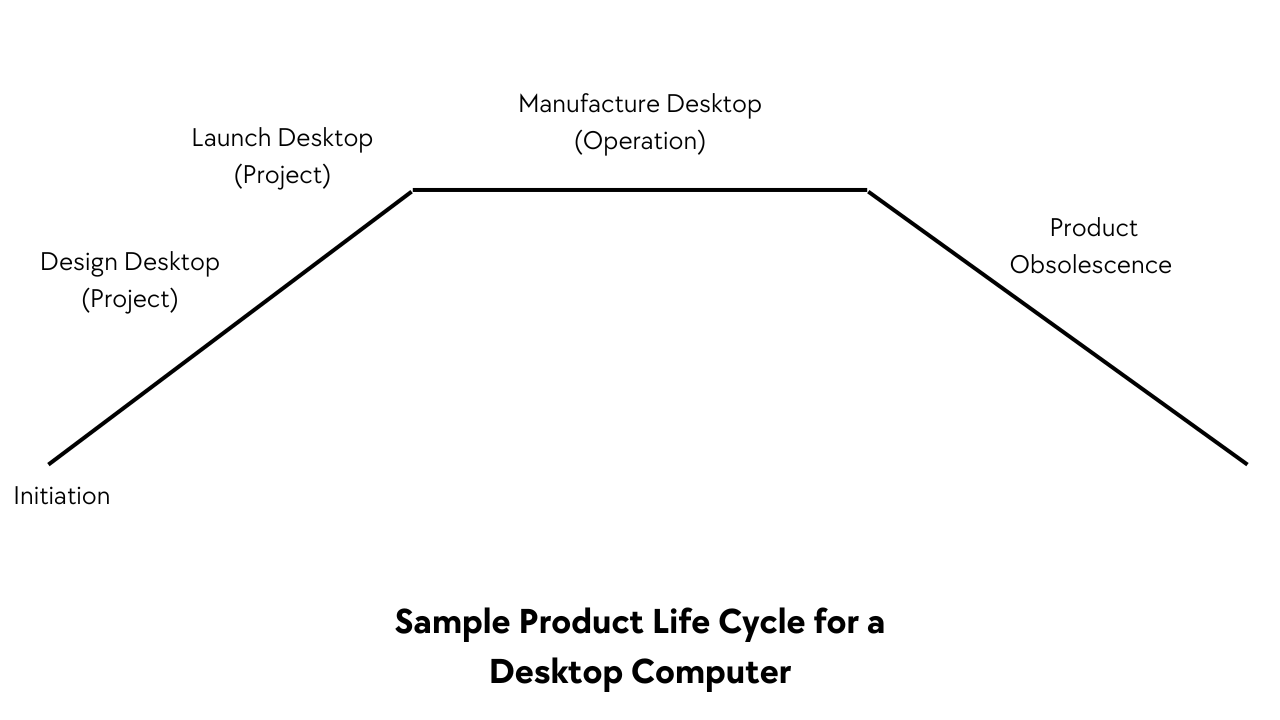
In the construction industry, the "Product" is the physical asset itself, the building, bridge, or infrastructure. The Product Life Cycle encompasses every stage from the initial idea through its decline and eventual decommissioning.
Core Phases
-
Introduction (Launch): Bringing the asset into the market or operational use.
-
Growth: Increasing acceptance and utilisation of the facility.
-
Maturity: Reaching peak market penetration and steady-state operations.
-
Decline (Obsolescence): The phase where the asset becomes outdated, less desirable, or reaches the end of its useful life.
Strategic Implications
-
Project Integration: A single Product Life Cycle often contains multiple projects. For example, the "Design" of a facility is one project, and a "Major Renovation" ten years later is another.
-
Revenue and ROI: Understanding this cycle helps firms strategise production and maintenance to maximise profitability and market presence over decades.
-
Sequential Nature: Product phases are generally sequential and non-overlapping.
2. The Project Life Cycle:
The Framework for Delivery
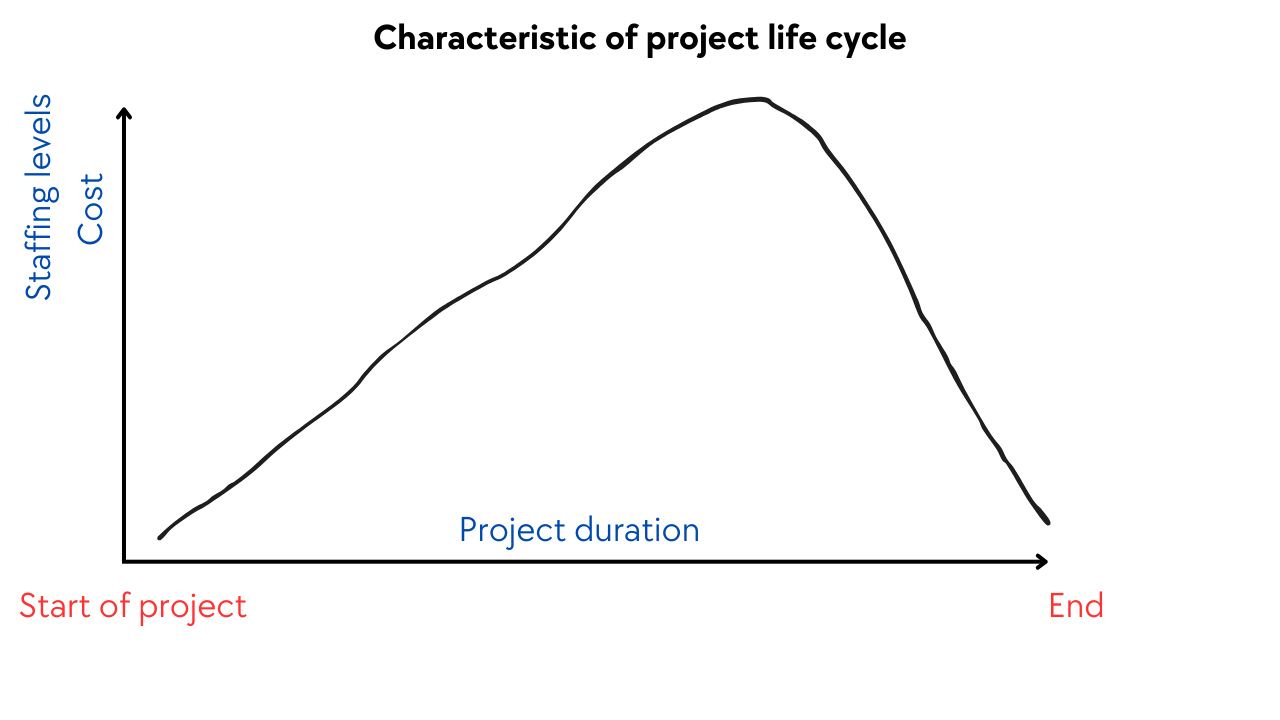
Unlike the product life cycle, the Project Life Cycle includes all phases required to create a specific result. In construction, this is highly industry-specific and varies based on the complexity of the build.
Life Cycle Characteristics
A standard project life cycle follows a path of starting, organising, carrying out work, and closing. It serves as a vital link between the design phase and the ongoing operations of the client organisation.
-
Phase Gates: Projects are divided into phases to provide formal control and reduce uncertainty. At the end of each phase, a "management review" or "phase gate" is held to decide if the project should proceed, be modified, or terminated.
-
Decision Points: These gates (also called kill points or toll gates) allow stakeholders to reassess progress and authorise the start of the next phase.
-
Relationships: Phases can be sequential, overlapping (fast-tracking), or iterative.
Cost and Influence Dynamics
Architects and managers must understand how variables shift over the project duration:
-
Increasing Factors: The cost of changes and the cost of error correction increase dramatically as the project nears completion. However, the probability of successful completion also rises as work progresses.
-
Decreasing Factors: Uncertainty is highest at the start and decreases over time. Crucially, the ability of stakeholders to influence final costs and characteristics is highest at the beginning and drops sharply as the project matures.
3. The Project Management Life Cycle:
The Professional Standard
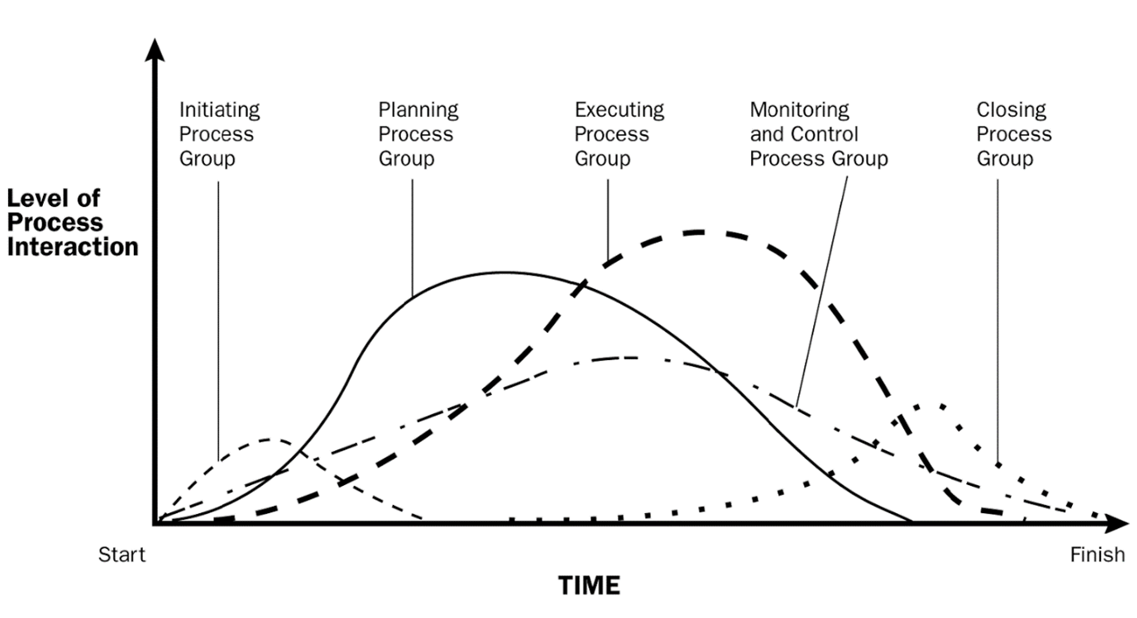
The Project Management Life Cycle is unique because it is not industry-specific. Whether you are designing a skyscraper or a software tool, these five process groups remain constant :
-
Initiating: Defining the project or a new phase.
-
Planning: Establishing the scope and refining objectives.
-
Executing: Completing the work defined in the management plan.
-
Monitoring and Controlling: Tracking, reviewing, and regulating progress.
-
Closing: Formally completing the project or phase.
Interaction and Overlap
These process groups do not happen in silos; they interact and overlap throughout the project. For construction leads, "Monitoring and Controlling" occurs simultaneously with "Executing" to ensure quality and safety standards are met.
4. Synthesis:
Performance Impacts in the Construction Sector
Evidence from cross-sectoral reviews shows that proper lifecycle management delivers quantifiable benefits.
-
Efficiency: Organisations implementing robust lifecycle management see a 36% reduction in project duration and an 85% reduction in delays.
-
Quality: There is a documented 82% improvement in quality when these lifecycles are integrated correctly.
-
Financial Stakes: In complex engineering sectors, up to 70% of the total cost of ownership is consumed during the utilisation and support stages. Poor management can lead to billions in losses due to rework and safety failures
Knowledge Management: The "During Project" Factor
For architects and managers, the most critical success factor is knowledge management during the execution phase.
-
Active Capture: Success is driven by regular meetings, external evaluations, and training project members while the work is happening, rather than waiting for a post-mortem review.
-
Cross-Functional Integration: Integrated teams identify hazards earlier and respond more effectively to design changes.