Identify Risk Outputs in Architecture
Oct 06, 2026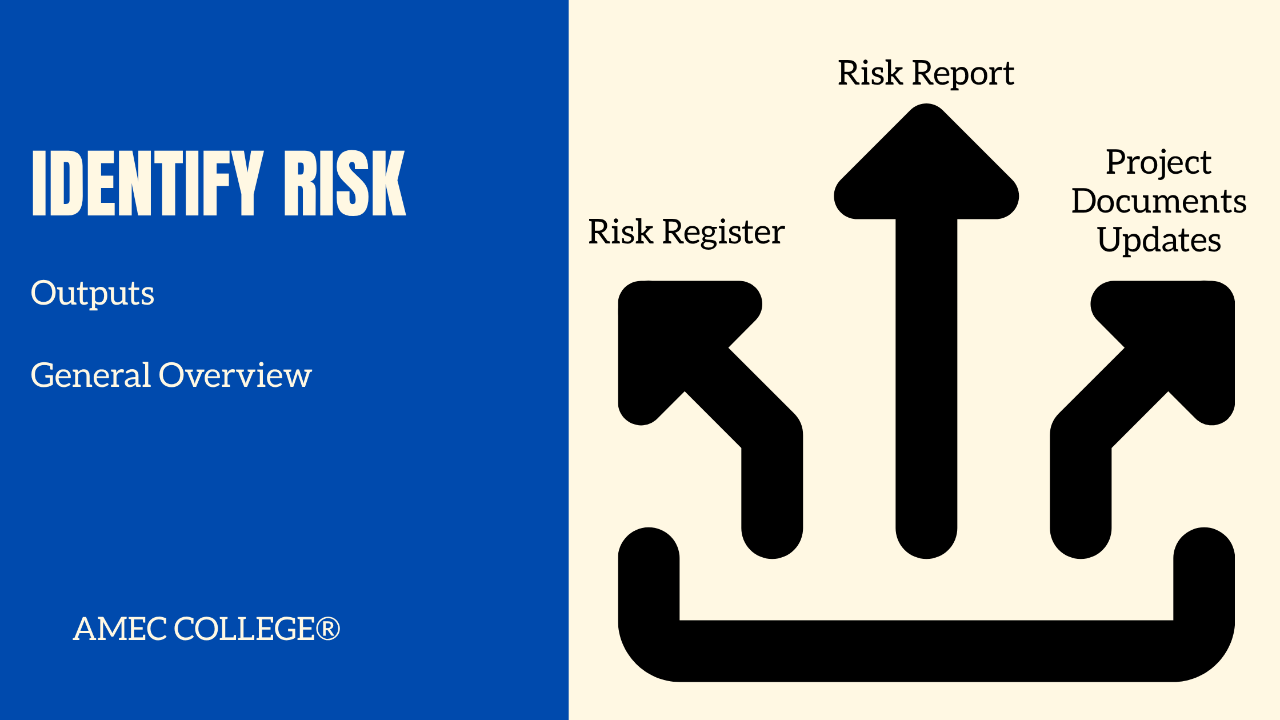
In the Australian architectural and construction landscape, identifying risks is only half the battle. To turn risk identification into effective project management, design teams must capture, synthesise, and communicate their findings through structured outputs. According to the Project Management Body of Knowledge (PMBOK®) framework, the Identify Risk process produces three primary outputs that serve as the foundation for ongoing project control, client communication, and risk response planning.
Understanding these outputs allows Australian architects to move beyond ad-hoc risk notes and establish professional, audit-ready risk management documentation that protects practice fee margins and aligns with National Competency Standards for Architects (NSCA 2021).
The Three Core Outputs of the Identify Risk Process
-
The Risk Register
The Risk Register is the central repository for logging individual project risks. It assigns a unique identifier to every threat or opportunity, establishes clear risk statements (Cause → Event → Impact), assigns potential risk owners, and records initial probability and impact scores. The Risk Register functions as a tactical, day-to-day tool used by project architects and multidisciplinary teams to monitor and manage individual risks throughout the project lifecycle. -
The Risk Report
While the Risk Register focuses on individual risk items, the Risk Report provides a comprehensive, high-level summary of the overall project risk exposure. Evolving progressively across project phases, the Risk Report translates complex technical data into executive summaries, overall risk trends, reserve status updates, and strategic recommendations for clients, project sponsors, and practice principals. -
Project Documents Updates
Risk identification is an iterative process that frequently uncovers new insights about the project environment. As a result, existing project documentation must be updated to reflect these findings. The three primary project documents updated during this process include:- Assumption Log: Updating design, statutory approval, and performance assumptions that are challenged during risk analysis.
- Issue Log: Logging realised, current problems or missing documentation uncovered during risk identification workshops.
- Lessons Learned Register: Capturing effective risk identification techniques and process insights to refine practice workflows on future developments.
What’s Next in This Series
Mastering these three outputs transforms risk identification from a passive compliance exercise into an active design management strategy. In our upcoming posts, we will explore each of these core outputs in extensive detail, providing step-by-step guides, structured templates, and practical Australian architectural case studies for the Risk Register, the Risk Report, and key Project Documents Updates.
Continuing Professional Development (CPD) Training
Elevate your architectural practice with formal risk management training. Explore our accredited course to master risk registers, client reporting, and statutory compliance.