Aligning Subsidiary Plans for Better Risk Management
Aug 25, 2026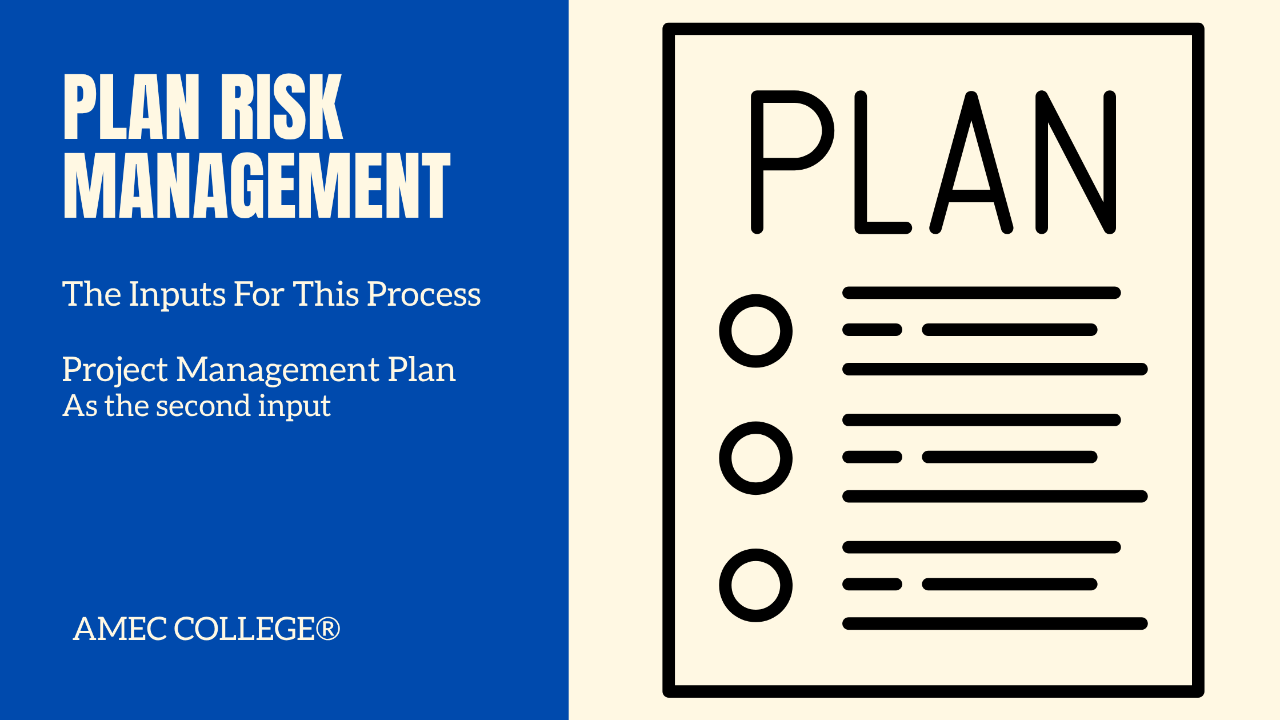
In the Australian architecture and construction industry, a risk management plan cannot exist as a standalone document. For projects to succeed, risk planning must be deeply integrated into the broader project framework. Within the Project Management Institute (PMI) standard, the Project Management Plan is the second key input required to prepare an effective risk management plan.
The Importance of Alignment
Why must we align risk management with the overall Project Management Plan? Because risks exist in every facet of an architectural project from design iterations to site conditions. If your risk management approach is not aligned with approved subsidiary plans, you risk creating confusion, inconsistent methods, or conflicting goals on the job.
Understanding Subsidiary Plans
Subsidiary plans are the individual components that form the larger Project Management Plan. Each plan is approved beforehand and establishes specific rules, assumptions, and tracking methods. Key subsidiary plans include:
- Schedule Management Plan: Outlines how project timelines and milestones are structured and monitored.
- Cost Management Plan: Details how the budget is set, tracked, and managed.
- Quality Management Plan: Defines the standards, inspection processes, and defect definitions for the design and build.
- Procurement Management Plan: Manages contracts, agreements, and vendor relationships.
- Stakeholder & Communications Plans: Determines how the project team interacts with clients, councils, and contractors.
Examples of Alignment in Architectural Projects
Consider how these plans directly affect risk:
- Schedule Alignment: If your schedule plan uses agile sprints for fast-tracked design iterations, but your risk tracking assumes rigid, fixed milestones, your timelines will conflict.
- Cost Alignment: If your cost plan tracks performance using earned value analysis, but your risk plan completely ignores cost performance indicators, you will miss early financial red flags.
- Procurement & Contract Types: If your procurement plan dictates the use of a firm fixed-price contract, the risk of cost overruns is transferred to the vendor. Consequently, you may not need to track that risk as heavily on your side, allowing you to focus resources on design or permitting risks instead.
Three Key Actions for Seamless Integration
To make your risk management plan consistent with other subsidiary plans, architects should take three key actions:
- Review Prior to Planning: Thoroughly review all approved subsidiary plans before starting your risk plan. Identify areas where risks are created, managed, or transferred.
- Adapt Your Methods: Match your risk review frequency and trigger points with the existing project tracking schedules. If cost is monitored weekly, monitor cost-related risk triggers weekly.
- Maintain Consistent Definitions: Use the exact same glossary and assumptions. If your quality plan defines a design "defect" or "issue" in a specific way, use that identical definition in your risk plan to keep communication clear and prevent misunderstandings.
By taking these actions, you ensure that risk planning is not a siloed exercise, but a functional, living system that supports project success.
Course Information & Syllabus Download
Click on the image below to explore and find out more about our 12-hour online training in regard to risk management for architects that is aligned with 12 CPD. The link will take you to the landing page of the course where you can download the full syllabus, find details, and see how it has been mapped to NSCA 2021.