Identify Risk Process | 2nd Tool | Data Gathering
Sep 28, 2026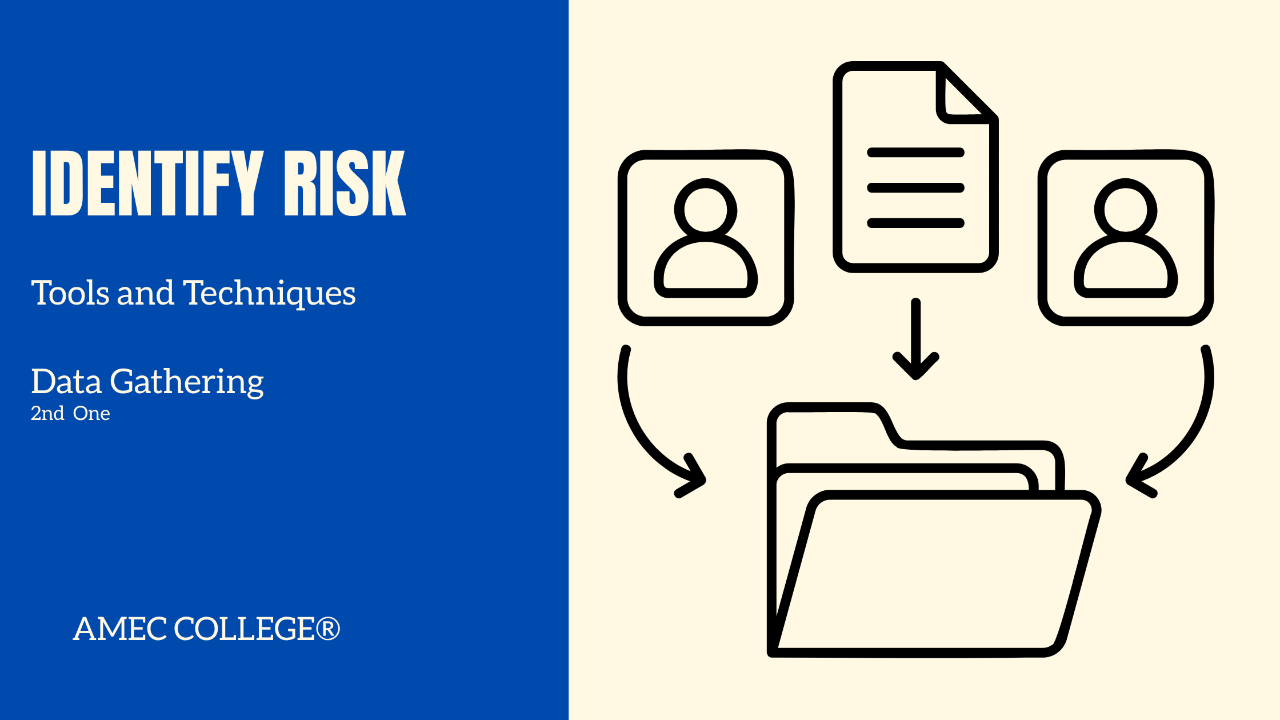
In Australian architectural practice, successful risk management relies heavily on the quality, structure, and depth of information gathered during early project stages.
Under the Project Management Institute (PMI®) PMBOK® framework, a project risk is defined as an uncertain event or condition that, if it occurs, has a positive or negative impact on project objectives such as scope, schedule, cost, and quality.
Data Gathering is the second major category of tools and techniques in the Identify Risk process.
Instead of relying on guesswork or unverified assumptions, architects use structured data gathering methods to systematically surface potential threats and opportunities across the entire project lifecycle.
The Three Core Data Gathering Techniques
1. Brainstorming
Brainstorming brings together a multidisciplinary group such as principal architects, structural and MEP engineers, quantity surveyors, builders, and client representatives, often under the guidance of a skilled facilitator.
- Objective: Generate a comprehensive list of individual project risks and sources of overall project risk.
- Structured Frameworks: Facilitators often use a Risk Breakdown Structure (RBS) to prompt discussion across specific project categories (e.g., technical, environmental, commercial).
- Key Consideration: Attention must be paid to formulating clear, detailed risk statements (Cause → Event → Impact) so that early ideas are converted into actionable data entries rather than remaining vague concepts.
2. Checklists
Checklists are compiled using historical information, post-project reviews, and accumulated practice knowledge from previously completed buildings.
- Objective: Serve as a rapid reminder of recurring risks, such as local council planning permit bottlenecks, National Construction Code (NCC) compliance hurdles, soil contamination, or material supply chain lead times.
- Key Consideration: While checklists are fast and easy to run, no checklist can ever be exhaustive. Architects must ensure checklists are not used as a shortcut to avoid genuine risk discovery. Teams should explore unlisted items and regularly review and update practice checklists to archive outdated requirements.
3. Interviews
Structured interviews involve conducting direct, targeted conversations with key project participants, client representatives, senior practitioners, and subject matter experts.
- Objective: Uncover complex, nuanced, or sensitive risks that might not be raised in open group settings.
- Key Consideration: Interviews should be conducted in an environment of confidentiality and trust. This encourages honest, unbiased contributions regarding client decision-making speed, realistic fee allocations, or site-specific construction challenges.
Practical Application and Benefits for Australian Practices
By embedding Brainstorming, Checklists, and Interviews into schematic design and design development workflows, architectural firm principals can:
- Protect Fee Margins: Identify scope gaps before signing fixed-fee contracts.
- Set Realistic Baselines: Align client schedule and budget expectations with market realities.
- Strengthen Interdisciplinary Alignment: Ensure sub-consultants and engineers are synchronised on project constraints.
- Reduce PI Insurance Exposure: Document potential risk triggers early to satisfy practice quality control and professional standards.
Continuing Professional Development (CPD) Opportunity