Issue Log Updates | Output For Qualitative Risk Analysis
Nov 07, 2026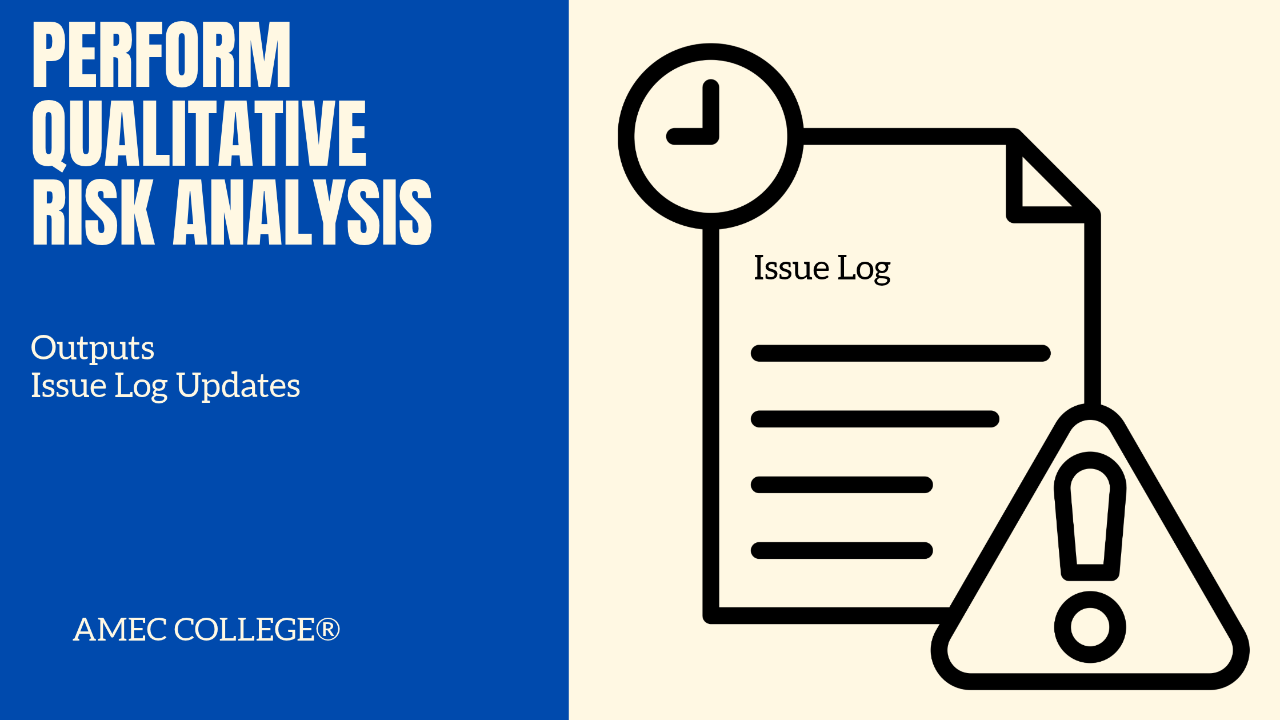
Managing architectural projects across Australia demands constant vigilance over both prospective threats and active disruptions.
While risk management focuses primarily on uncertain future events, effective project governance requires seamless integration with real-time problem tracking. In the PMI PMBOK® framework and AS ISO 31000 risk standards, Issue Log Updates serve as the fourth essential output of the Perform Qualitative Risk Analysis process.
Risks vs. Issues: Understanding the Distinction
To maintain rigorous project controls, architectural practitioners must clearly differentiate between two distinct project management dimensions:
- Risks: Uncertain future events or conditions that, if they occur, have a positive or negative effect on project objectives (e.g., potential planning authority objections or anticipated supply chain price spikes).
- Issues: Realised problems or active disruptions that are currently occurring and require immediate resolution (e.g., an overdue geotechnical report, an active certifier compliance notice, or an unengaged specialist consultant causing design delays).
How Qualitative Risk Analysis Drives Issue Log Updates
During qualitative risk analysis sessions such as multidisciplinary risk workshops or design reviews, the project team evaluates risk probability, impact severity, and data quality. This analytical process directly impacts the Issue Log in two primary ways:
- Identifying Newly Realised Issues: Risk reviews frequently reveal that a previously monitored potential risk has crossed the threshold into an active issue. For instance, a risk regarding National Construction Code (NCC) Part C fire safety compliance might materialise into an active design impasse when a certifier rejects a proposed performance solution.
- Reclassifying and Escalating Existing Issues: Insights gained during qualitative evaluation allow project managers to re-assess the severity of active issues. A minor communication delay with a structural engineer may be escalated to a high-priority issue if qualitative analysis demonstrates that it threatens critical town planning submission deadlines.
Strategic Benefits for Architectural Practice
Updating the Issue Log concurrently with the Risk Register delivers vital practice management benefits:
- Dual-Track Governance: Equips practice principals and project directors with complete visibility across both active problems (issues) and prospective threats (risks).
- Fee Margin Protection: Prevents unmanaged issues from expanding into costly scope creep, extensive rework, or fee erosion.
- Accountability & Resolution Tracking: Assigns nominated issue owners with clear target resolution dates to ensure active problems are resolved systematically.
- Seamless Project Integration: Connects day-to-day project management operations with high-level risk management strategy.
Professional Standards & CPD Alignment
Systematic issue tracking and qualitative risk analysis sharpen project governance, mitigate professional liability exposure, and align directly with the National Standard of Competency for Architects (NSCA 2021) across Practice Management and Project Delivery units.