Stakeholder Register | Input to Risk Management Plan
Aug 26, 2026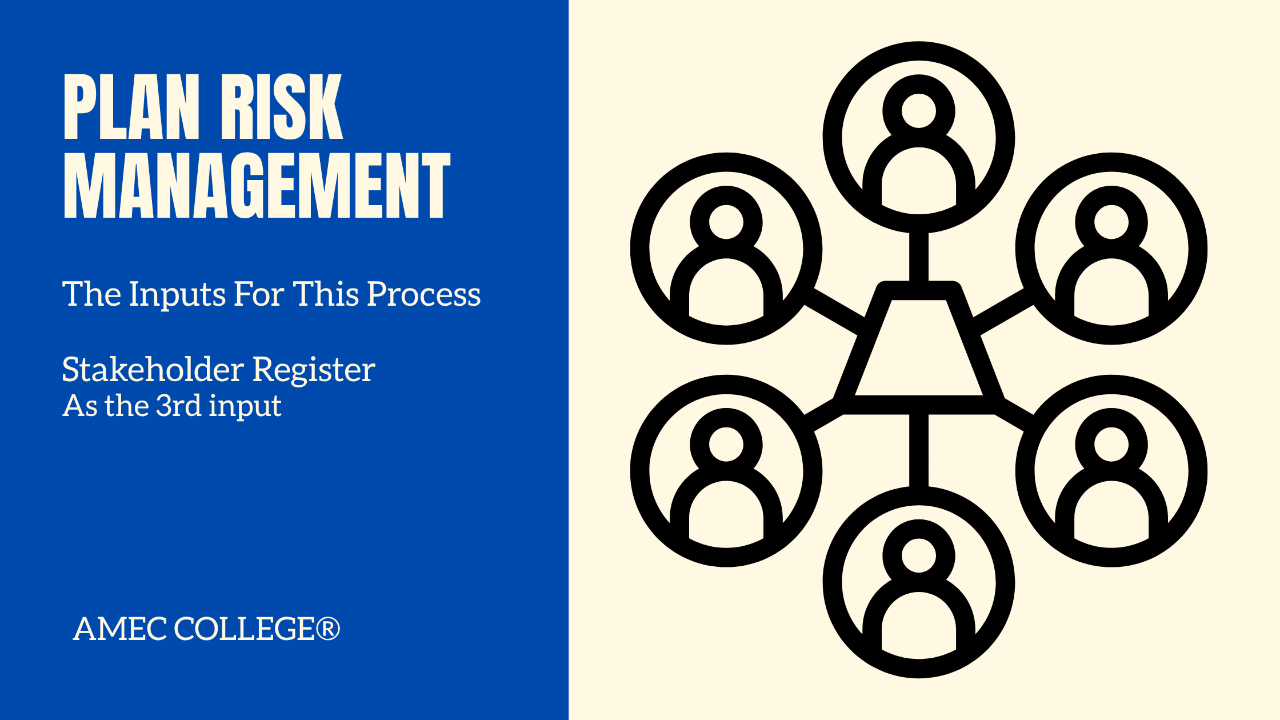
In the Australian architecture and construction landscape, project success relies heavily on aligning diverse expectations.
From clients and local councils to engineering consultants and builders, every project has a unique ecosystem of people. Within the Project Management Institute (PMI) standard and PMBOK framework, Plan Risk Management serves as the initial process to outline how risk activities will be handled.
To do this effectively, practitioners must rely on Input Number 3: The Stakeholder Register.
Far from being a simple address book, the Stakeholder Register is a dynamic project document that maps out everyone involved in or impacted by a project. This includes internal team members, external partners, vendors, clients, and regulatory bodies. For architects, analysing this register is critical for determining risk-related roles, responsibilities, and project-specific risk thresholds.
Understanding Risk Attitude and Tolerance
Every stakeholder has a distinct reaction to uncertainty, change, and potential project failure. By reviewing the Stakeholder Register, architects can gauge these attitudes:
- Risk-Averse Stakeholders: If a client is highly risk-averse, the risk management plan must adopt a conservative approach. This might involve building in larger contingency buffers, implementing tighter quality controls, or scheduling more frequent reviews.
- Risk-Tolerant Stakeholders: Conversely, a sponsor who is risk-tolerant might encourage aggressive design strategies or fast-tracked schedules to maximise potential rewards.
- Regulatory Authority: Stakeholders from local councils or planning departments hold significant regulatory influence. Their expectations regarding safety and zoning compliance heavily dictate risk decision-making boundaries.
Defining Roles, Responsibilities, and Thresholds
The Stakeholder Register allows project managers to assign risk responsibilities effectively to prevent critical items from falling through the cracks:
- Technical Risks: Can be assigned directly to the project engineer or lead designer.
- Contract and Procurement Risks: Managed by a dedicated procurement officer.
- Compliance Risks: Handled by a regulatory liaison.
Furthermore, the register helps establish clear risk thresholds and the boundaries of acceptable variance. For example, a client might be perfectly comfortable with a 10% budget variance but completely intolerant of a single day's delay in achieving occupancy. Tailoring your risk strategy to these expectations keeps your architectural project balanced, politically safe, and aligned with stakeholders.
Course Information & Syllabus Download
Click on the image below to explore and find out more about our 12-hour online training in regard to risk management for architects that is aligned with 12 CPD. The link will take you to the landing page of the course where you can download the full syllabus, find details, and see how it has been mapped to NSCA 2021.