Qualitative Risk Analysis | Risk Categorisation | Tool
Oct 29, 2026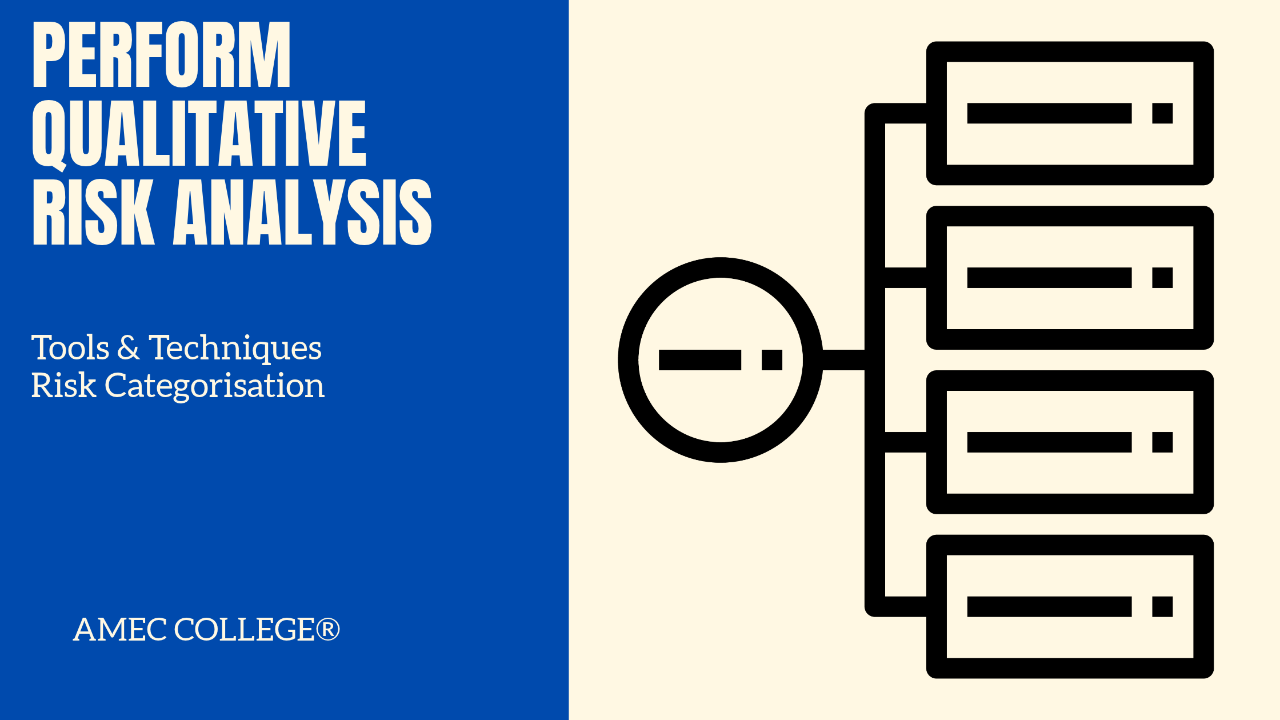
Architectural projects across Australia, from multi-residential high-rises in Sydney to sensitive heritage retrofits in Hobart, face an overwhelming array of uncertainties.
Simply compiling a long list of potential hazards is insufficient for effective project governance.
To prioritise threats efficiently and allocate resources where they matter most, project leaders rely on Risk Categorisation, the fifth tool and technique in the Perform Qualitative Risk Analysis process as defined by PMI PMBOK® standards and AS ISO 31000.
What is Risk Categorisation?
Risk Categorisation is the systematic process of grouping identified project risks by common characteristics, origins, or project impacts. Rather than treating each risk as an isolated event, categorisation allows architectural practices to evaluate where uncertainties cluster, identify systemic vulnerabilities, and implement high-leverage mitigation strategies.
Key Frameworks for Categorising Architectural Risks
Under PMBOK® standards and local Australian practice guidelines, architects group risks across five primary dimensions:
- By Source of Risk (Risk Breakdown Structure - RBS): Grouping risks by their technical or operational origin such as regulatory compliance (e.g., Development Application delays or National Construction Code / NCC revisions), design documentation errors, site ground conditions, or material supply chain disruptions.
- By Project Area (Work Breakdown Structure - WBS): Mapping risks directly to physical or functional project components, such as substructure/foundations, envelope/facade, MEP services fitout, or landscaping. High risk density in a single WBS area highlights where consultant oversight must be intensified.
- By Project Phase: Structuring risks chronologically across project stages—Feasibility, Concept Design, Town Planning, Construction Documentation, or Contract Administration. This enables project directors to forecast exactly when specific threats will impact the timeline.
- By Responsibility and Cost Centre: Allocating risks according to team roles, specialist consultants, or sub-contractors. Identifying whether major threats sit with structural engineers, fire safety certifiers, or main contractors clarifies accountability and scope boundaries.
- By Root Cause: Isolating fundamental underlying drivers. For instance, if multiple design delays stem from inadequate geotechnical surveys, commissioning a comprehensive secondary soil report addresses the root cause and eliminates several downstream risks at once.
The Strategic Advantage: Generic Risk Responses
A primary benefit of Risk Categorisation during qualitative analysis is the ability to formulate generic category responses. Instead of designing bespoke mitigations for twenty individual material delivery delays, practices can implement a single strategic response such as early material procurement or sourcing certified local Australian suppliers that mitigates the entire risk category simultaneously.
Professional Competency and CPD Alignment
Mastering risk categorisation sharpens project governance, protects practice fee margins, and aligns directly with the National Standard of Competency for Architects (NSCA 2021).